Warehouse signs are essential tools for creating safe, organized and efficient work environments. In busy industrial settings where workers, machinery, forklifts and inventory move constantly, clear signage ensures that everyone knows exactly where to go, what to do and how to stay safe. From safety reminders and hazard warnings to aisle markers, directional arrows and storage labels, warehouse signs play a critical role in preventing accidents and improving productivity. 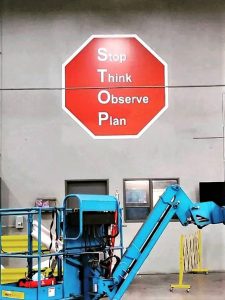
One of the biggest advantages of warehouse signage is improved workflow efficiency. When areas are clearly labeled, employees can locate products, equipment and sections faster. This reduces downtime, speeds up order picking and minimizes mistakes. Signs such as “Receiving,” “Shipping,” “Inventory,” “Aisle 12,” “Cold Storage” and “Authorized Personnel Only” help guide workers seamlessly through the space. In large warehouses, proper signage is not just helpful — it is essential for smooth operations.
Safety is another major reason warehouse signs are so important. Signs that warn employees of hazards — such as “Forklift Traffic,” “High Voltage,” “Wear PPE,” or “Slippery Floor” — help reduce accidents and ensure compliance with safety standards. OSHA and other regulatory bodies require specific signage in industrial facilities, making proper sign placement a legal obligation as well. High-visibility warning signs greatly reduce the risk of injuries by keeping workers aware of potential dangers.
Warehouse signs are also vital for organization. Rack labels, shelf markers and bin numbers help workers quickly identify where products are stored. This level of organization reduces errors in picking, packing and inventory management. For warehouses with thousands of SKUs, clear labeling ensures accuracy and prevents costly mistakes. It also helps new employees learn the layout faster, improving training and onboarding efficiency.
Durability is a key requirement for warehouse signage. Because warehouses experience heavy traffic, dust, moisture and temperature changes, signs must be made from high-quality materials such as aluminum, PVC, acrylic, vinyl or reflective substrates. These materials ensure that signs remain readable and intact even in tough conditions. Long-lasting signs reduce replacement costs and maintain operational consistency.
Despite their functional nature, the success of warehouse signs depends heavily on the expertise of the sign maker. Warehouse environments have unique challenges, and a professional sign maker understands how to address them.
A skilled sign maker knows which materials perform best in industrial conditions, what size signs need to be for proper visibility and how to design layouts that maximize readability. They consider viewing distance, lighting conditions, forklift traffic patterns and mounting requirements when producing the signs. Their experience ensures that signs are clear, compliant and strategically placed for maximum effectiveness.
Illinois expert sign maker also ensures proper fabrication and finishing. Industrial signs must resist fading, cracking, peeling and impact damage. A sign maker uses high-quality inks, coatings and substrates to ensure durability. They also adhere to safety standards and regulatory guidelines — crucial for ensuring that the facility meets compliance requirements.
Finally, installation matters. Poorly mounted signs can fall, obstruct traffic or become hard to see. Professional installation ensures the signs are secure, level and optimally positioned for visibility and safety. Visit Us Here if you are interested to know more!
Warehouse signs may seem simple, but they are vital to the success of any industrial operation. With the knowledge and precision of an experienced sign maker, these signs become powerful tools that enhance safety, speed up workflow and keep everyone on the same page.